
FAQ
Are you a homeowner in or around Niederwald, TX in need of reliable and experienced HVAC services? Look no further than Gomez Heating and Air Conditioning, LLC. Our team of certified professionals is dedicated to providing top-notch heating and cooling solutions tailored to your needs. Trust us to keep your home comfortable year-round.
Frequently Asked Questions
What are the main benefits of professional thermostat installation?
Professional thermostat installation ensures your new thermostat is wired correctly and calibrated for optimal performance. This is especially crucial for smart thermostat installation, which often involves more complex wiring and integration with home automation systems. Expert thermostat installation service guarantees proper functionality, maximizing energy efficiency and extending the lifespan of your HVAC system, while also providing peace of mind that your home comfort is professionally managed.
Should I consider a smart thermostat installation, and what are its advantages?
Absolutely! Smart thermostat installation offers numerous advantages over traditional models. These thermostats learn your habits, adjust temperatures automatically, and can be controlled remotely via your smartphone. This leads to significant energy savings and enhanced comfort. If you’re looking to upgrade your home’s intelligence and efficiency, a smart thermostat installation is a worthwhile investment. They can also provide insights into your energy usage, helping you make more informed decisions about your heating and cooling.
What are the common signs I need thermostat repair or a new installation?
If your HVAC system isn’t responding to your thermostat’s settings, your home has inconsistent temperatures, or your energy bills are unexpectedly high, you might need thermostat repair. Other signs include a blank display on a digital thermostat, or your HVAC system constantly cycling on and off. If basic troubleshooting doesn’t resolve the issue, a professional thermostat service can diagnose whether you need thermostat repair or a complete digital thermostat installation.
Can a professional handle both thermostat installation and thermostat repair?
Yes, a qualified HVAC technician is typically equipped to handle both thermostat installation and thermostat repair. They have the expertise to troubleshoot existing thermostat issues, such as wiring problems or calibration errors, and can also perform seamless digital thermostat installation or smart thermostat installation. Choosing a single provider for both services ensures consistency and efficiency in addressing all your thermostat needs. If your smart thermostat is acting up, they can also perform smart thermostat repair.
What's the difference between a digital thermostat installation and a smart thermostat installation?
A digital thermostat installation provides precise temperature control with a clear digital display, often allowing for programmable schedules. However, a smart thermostat installation takes it a step further. Smart thermostats offer advanced features like remote control, learning capabilities (adjusting to your preferences over time), energy usage reports, and integration with other smart home devices. While both offer improvements over older manual thermostats, smart thermostat installation provides a more intelligent and convenient way to manage your home’s climate.
Why is regular HVAC maintenance crucial for my heating and cooling systems?
Regular HVAC maintenance is essential for optimizing the performance, efficiency, and longevity of your entire heating and cooling system. It helps prevent costly breakdowns, ensures consistent indoor comfort, and can significantly reduce your energy bills. Neglecting HVAC maintenance service can lead to decreased efficiency, premature system failure, and expensive emergency repairs for your heating maintenance or cooling maintenance needs.
How often should I schedule HVAC maintenance for my home?
For optimal performance and to extend the lifespan of your system, it’s generally recommended to schedule HVAC maintenance twice a year. This typically includes a spring tune-up for your air conditioning maintenance and a fall tune-up for your heating maintenance. This proactive approach ensures your system is prepared for the demands of each season, addressing potential issues before they become major problems.
What does a typical HVAC maintenance service include for heating and cooling systems?
A comprehensive HVAC maintenance service usually involves a thorough inspection and cleaning of key components for both your heating and cooling systems. For air conditioning maintenance, this includes checking refrigerant levels, cleaning coils, inspecting electrical connections, and ensuring proper drainage. For heating maintenance, it involves checking the furnace or boiler, inspecting the heat exchanger, testing safety controls, and lubricating moving parts. Both services will also involve checking and replacing air filters as needed. For systems like boiler maintenance or heat pump maintenance, specific checks relevant to those technologies will be performed.
How does proactive HVAC maintenance help save money on energy bills?
Proactive HVAC maintenance directly contributes to lower energy bills by ensuring your system operates at peak efficiency. When components like coils and filters are clean, your system doesn’t have to work as hard to maintain desired temperatures. This reduces energy consumption. Regular heating maintenance and cooling maintenance also help identify and fix minor issues that could lead to significant energy waste if left unaddressed, ultimately saving you money in the long run.
Is there a difference between boiler maintenance and heat pump maintenance?
Yes, while both fall under HVAC maintenance, boiler maintenance and heat pump maintenance involve distinct procedures due to their different operating principles. Boiler maintenance focuses on inspecting the burner, heat exchanger, pressure relief valve, and ensuring proper water pressure and circulation. Heat pump maintenance involves checking refrigerant levels, cleaning coils, inspecting the outdoor unit for obstructions, and verifying proper defrost cycles. A comprehensive HVAC maintenance service will ensure all specific components of your heating and cooling system are properly serviced.
What are the common signs I need ductwork repair?
You might need ductwork repair if you notice uneven heating or cooling throughout your home, higher-than-usual energy bills, strange noises coming from your vents, or a noticeable decrease in airflow. Drafts near windows and doors, even when closed, can also indicate leaky ductwork. If you suspect issues, a professional ductwork inspection can pinpoint the exact problem and identify if you need repair AC ductwork or general HVAC ductwork repair.
Can I repair leaky ductwork myself, or do I need a professional ductwork contractor?
While minor sealing of easily accessible ducts might seem like a DIY task, it’s generally recommended to hire a professional ductwork contractor for effective leaky ductwork repair. Professionals have the right tools and expertise to access hidden ducts, identify all leaks, and ensure proper sealing and insulation. Attempting DIY repairs on your own ac ductwork repair can lead to missed leaks and continued energy loss, making a professional ductwork service more cost-effective in the long run.
How does leaky ductwork impact my AC system and overall home comfort?
Leaky ductwork significantly impacts your AC system by forcing it to work harder to maintain desired temperatures. This leads to increased energy consumption and higher utility bills. More importantly, it compromises your home comfort by causing hot and cold spots, reducing airflow, and potentially drawing in dust and allergens from unconditioned spaces. Addressing leaky ductwork through professional repair AC ductwork services is crucial for efficient cooling and a comfortable indoor environment.
What is involved in a professional ductwork inspection and repair for my HVAC system?
A professional ductwork inspection involves a thorough assessment of your entire ductwork system, often using specialized tools like smoke generators or pressure tests to identify leaks and inefficiencies. Once issues are identified, HVAC ductwork repair can involve sealing leaks with mastic or specialized tape, repairing damaged sections, or even replacing severely deteriorated ductwork. The goal is to optimize airflow and ensure your HVAC system operates at peak efficiency.
How often should I consider ductwork inspection and service to prevent major repairs?
It’s advisable to have a professional ductwork inspection and ductwork service every 3-5 years, or more frequently if you notice any of the signs mentioned in Q1. Regular maintenance can help identify minor issues before they escalate into major ductwork repair needs, saving you money on energy bills and extending the lifespan of your HVAC system. Proactive inspections are key to preventing costly AC ductwork repair in the future.
What are the common signs that indicate I need HVAC repair?
If you’re experiencing inconsistent temperatures, strange noises coming from your unit, unusual odors, or a sudden spike in energy bills, these are all strong indicators that you might need HVAC repair. Specifically, for cooling issues, you might need AC repair or air conditioning repair if your unit is blowing warm air or not turning on. For heating problems, a lack of heat or a malfunctioning thermostat points to a need for furnace repair or general heating repair.
How often should I get professional HVAC repair or maintenance to prevent major breakdowns?
Regular maintenance is crucial for preventing major HVAC repair needs. It’s generally recommended to have your HVAC system inspected and serviced at least once a year, ideally in the spring for your AC unit and in the fall for your furnace. This proactive approach, including HVAC cleaning and tune-ups, can identify minor issues before they escalate, improving efficiency and extending the lifespan of your system, thereby reducing the likelihood of unexpected AC repair or furnace repair.
Is it better to repair my old HVAC unit or replace it with a new one?
The decision to repair or replace your HVAC unit depends on several factors, including the age of your system, the cost of the HVAC repair, and its energy efficiency. If your unit is more than 10-15 years old and requires frequent or costly air conditioning repair or heating repair, replacement might be a more cost-effective long-term solution. Newer models are significantly more energy-efficient, potentially leading to substantial savings on your utility bills. A professional HVAC repair technician can assess your system and help you make an informed decision.
What's the difference between AC repair and furnace repair, and do they require different specialists?
While both fall under the umbrella of HVAC repair, AC repair specifically addresses issues with your air conditioning unit, such as refrigerant leaks, compressor problems, or fan malfunctions. Furnace repair, on the other hand, focuses on heating components like the heat exchanger, ignitor, or blower motor. Many HVAC repair technicians are trained in both air conditioning repair and heating repair, as HVAC systems are integrated. However, some specialists might have more in-depth expertise in one area, so it’s always good to inquire about their specific certifications and experience.
How can regular HVAC cleaning contribute to preventing the need for extensive repairs?
Regular HVAC cleaning is a vital preventative measure that can significantly reduce the need for extensive HVAC repair. Dust, dirt, and debris can accumulate on coils, filters, and other components, leading to reduced airflow, decreased efficiency, and increased strain on your system. This buildup can cause components to overheat, leading to costly AC repair or furnace repair. Regular HVAC cleaning ensures optimal performance, improves air quality, and extends the life of your unit, saving you money in the long run.
When is it time to consider a new HVAC installation for my home?
You should consider a new HVAC installation if your current system is over 10-15 years old, requires frequent and costly repairs, or is no longer energy-efficient. Other indicators include inconsistent heating or cooling throughout your home, excessive noise during operation, or a sudden increase in your energy bills. A professional assessment can determine if a new central air installation, furnace installation, or AC installation is the most beneficial option.
What are the benefits of professional HVAC installation versus a DIY approach?
Professional HVAC installation ensures your system is properly sized, correctly installed, and operates at peak efficiency from day one. This includes accurate sizing for AC installation and furnace installation to avoid inefficiency. DIY installations often lead to costly mistakes, premature system failure, reduced efficiency, and potential safety hazards. A qualified technician guarantees adherence to local codes and warranties, providing peace of mind and long-term savings on your air conditioning installation or heating installation.
What factors should I consider when choosing a new HVAC installation?
When selecting a new HVAC installation, key factors include the size and layout of your home, your budget, desired energy efficiency ratings (SEER for cooling, AFUE for heating), and specific features like zoning capabilities or smart thermostat compatibility. It’s important to choose a system that meets your comfort needs while offering long-term cost savings. Your HVAC contractor can guide you through options for central air installation, furnace installation, or heating installation based on your specific requirements.
How long does a typical HVAC installation take, and what should I expect during the process?
The duration of an HVAC installation varies depending on the complexity of the job, but most residential installations, such as AC installation or furnace installation, can take anywhere from one to three days. During the process, technicians will remove the old system, prepare the site, install new components (indoor and outdoor units, ductwork if needed), connect electrical and refrigerant lines, and perform thorough testing to ensure proper operation. You can expect some temporary disruption to your daily routine, but reputable contractors will minimize inconvenience.
What's the difference between AC installation, furnace installation, and central air installation?
AC installation refers specifically to the installation of an air conditioning unit, typically the outdoor condenser and indoor evaporator coil. Furnace installation is the process of setting up a heating furnace, usually the indoor unit. Central air installation encompasses the complete system for both heating and cooling, including both an AC unit and a furnace (or a heat pump) and the associated ductwork, providing climate control for the entire home. Heating installation is a broader term that can refer to the installation of any heating system, including furnaces, boilers, or heat pumps.
What are the common signs I need furnace repair services?
You likely need furnace repair services if you notice your furnace blowing cold air, making unusual noises (like banging or screeching), emitting strange odors, or failing to turn on at all. A sudden increase in your energy bills without a change in usage can also indicate that your heating system repair is overdue. If you’re experiencing any of these issues, it’s best to contact a reputable furnace repair company promptly.
What's the difference between gas furnace repair and oil furnace repair?
While both fall under furnace repair services, gas furnace repair and oil furnace repair involve different fuel sources and components. Gas furnace repair often deals with issues related to pilot lights, ignitors, gas valves, and burners. Oil furnace repair focuses on components like the oil burner, fuel pump, nozzles, and filters. Regardless of your furnace type, a qualified furnace repair contractor will have the specialized knowledge to address the specific needs of your heating system.
How often should I schedule professional furnace repair services or maintenance?
To ensure optimal performance and longevity, it’s highly recommended to schedule annual maintenance for your furnace, ideally before the heating season begins. This proactive approach can often prevent the need for unexpected furnace repair services by identifying minor issues early. However, if you notice any of the signs listed in Q1, don’t wait for your annual check-up; contact a furnace repair company immediately for a diagnosis and heating system repair.
Can a furnace repair contractor diagnose and fix any heating system issue?
A professional furnace repair contractor from a reliable furnace repair company is equipped to diagnose and fix a wide range of heating system issues. They have the expertise to troubleshoot problems with thermostats, ignitions, blowers, heat exchangers, and more. While some issues may require specialized parts, a skilled contractor will be able to either perform the heating system repair on-site or advise you on the necessary steps to get your furnace operational again.
What should I look for when choosing a furnace repair company?
When selecting a furnace repair company for your furnace repair services, prioritize companies with strong reputations, positive customer reviews, and licensed and insured technicians. Look for a furnace repair contractor who offers transparent pricing, provides clear explanations of the issues, and offers warranties on their work. Experience with both gas furnace repair and oil furnace repair is a plus, ensuring they can handle your specific heating system needs.
What are the key benefits of professional furnace installation service?
Opting for professional furnace installation service ensures your new furnace is properly sized, efficiently installed, and operates safely from day one. Expert heating installation services prevent common issues like inefficient heating, premature wear, and safety hazards that can arise from improper installation. Relying on a reputable furnace installation company also guarantees compliance with local codes and often validates manufacturer warranties.
How do I find reputable local furnace installers in my area?
To find reliable local furnace installers, start by asking for recommendations from friends, family, or neighbors. Check online reviews and ratings for furnace installation company options. Look for contractors who are licensed, insured, and have a strong track record of successful heating installation services. A reputable furnace installation contractor will also offer transparent pricing and be willing to provide references.
What's the difference between gas furnace installers and oil furnace installation?
While both fall under furnace installation service, gas furnace installers specialize in connecting to natural gas lines and ensuring proper ventilation for gas combustion. Oil furnace installation involves setting up fuel lines, storage tanks, and managing the unique aspects of oil combustion and venting. Although many heating installers are trained in both, it’s beneficial to confirm their specific expertise in either gas furnace installers or oil furnace installation based on your home’s needs.
How long does a typical furnace installation service take, and what should I expect?
A standard furnace installation service typically takes one to two days, depending on the complexity of the job and whether existing ductwork needs modification. During the process, heating installers will remove your old unit, prepare the site, install the new furnace, connect all necessary lines (gas/oil, electrical), and perform thorough testing to ensure proper operation and safety. You can expect some temporary disruption, but a professional furnace installation contractor will work efficiently.
What questions should I ask a furnace installation contractor before hiring them?
Before committing to a furnace installation contractor, ask about their licensing and insurance, their experience with your specific type of furnace (gas furnace installers or oil furnace installation), and if they offer a warranty on their work. Inquire about the installation process, the timeline, and if they handle the removal of your old unit. Also, ask for a detailed estimate outlining all costs associated with the furnace installation service and any available heating installation services packages.
What are the main signs that indicate I need heating replacement?
You should consider heating replacement if your current heating system is over 10-15 years old, requires frequent and costly repairs, or struggles to heat your home evenly. Other indicators include a significant increase in energy bills without a change in usage, unusual noises coming from the unit, or if your system has been deemed unsafe by a professional. These signs often point to the need for a full hvac replacement.
How does a professional heating replacement benefit my home's comfort and energy efficiency?
A professional heating replacement significantly enhances your home’s comfort by providing consistent, reliable heating and eliminating cold spots. Modern heating systems, installed by experienced heating contractors, are far more energy-efficient than older models. This leads to substantial savings on your utility bills and a reduced carbon footprint. A new heating system installation is a long-term investment in both comfort and efficiency.
What's involved in a typical heating system installation process?
A heating system installation by professional heating contractors usually involves removing your old unit, preparing the site, installing the new furnace, boiler, or heat pump, connecting all necessary electrical, gas, or refrigerant lines, and ensuring proper ventilation and safety controls are in place. The technicians will then test the system thoroughly to guarantee optimal performance and walk you through its operation. This comprehensive residential heating service ensures a seamless transition.
How do I choose the right heating replacement system for my home?
Choosing the right heating replacement system involves considering several factors: the size and insulation of your home, your climate, energy efficiency ratings (like AFUE), your budget, and specific features you desire (e.g., zoning capabilities). Reputable heating contractors can perform a load calculation to recommend the ideal system size and type for your needs. They can also explain the benefits of various hvac replacement options available.
Can I get an HVAC replacement service that covers both heating and cooling?
es, most heating contractors who provide residential heating service also offer comprehensive hvac replacement service that includes both heating and cooling components. When you opt for a full hvac replacement, you often get a perfectly matched system that works in harmony, maximizing efficiency and comfort throughout the year. This integrated approach simplifies future maintenance and can be more cost-effective in the long run than replacing heating and cooling units separately.
What are the main advantages of choosing heat pump installation for my home?
Heat pump installation offers a highly energy-efficient solution for both heating and cooling your home. Heat pumps move heat rather than generate it, making them incredibly efficient and leading to significant energy savings. They provide year-round comfort from a single system, reducing your carbon footprint and potentially qualifying for energy rebates. This versatile system can provide both heating and cooling through a single heat pump service.
How does a heat pump work, and what's involved in heat pump installation?
A heat pump works by transferring heat. In winter, it extracts heat from the outside air (even cold air) and transfers it indoors. In summer, it reverses the process, moving heat from inside your home to the outdoors. Heat pump installation involves installing an outdoor unit and an indoor air handler, connecting them with refrigerant lines, and integrating them with your existing ductwork or new ductless systems. A professional heat pump installation ensures optimal performance.
What are the signs I might need heat pump repair or heat pump service?
You might need heat pump repair if you notice your system blowing lukewarm air (instead of hot or cold), strange noises, frequent cycling on and off, or a sudden increase in energy bills. Icing on the outdoor unit in normal temperatures, or a complete lack of heating or cooling, also indicates a need for professional heat pump service. Don’t delay in calling for hvac heat pump repair if you experience these issues.
How often should I schedule heat pump maintenance service to ensure longevity?
To ensure your heat pump operates efficiently and reliably, it’s recommended to schedule heat pump maintenance service at least once a year, ideally in the spring or fall. Regular maintenance helps identify and address minor issues before they escalate into costly heat pump repair. This proactive care includes cleaning coils, checking refrigerant levels, inspecting electrical connections, and ensuring proper airflow, contributing to the longevity of your heat pump service.
Can a heat pump installation also provide hot water for my home?
Yes, some advanced heat pump systems, known as heat pump water heaters, can indeed provide hot water for your home in addition to space heating and cooling. While a standard heat pump installation primarily focuses on climate control, integrating a heat pump water heater can further enhance your home’s energy efficiency. If you’re interested in this dual functionality, discuss it with your heat pump installation contractor during your consultation for comprehensive heat pump service.
What are the most common indicators that I need air conditioning repair?
You likely need air conditioning repair if your AC unit is blowing warm air, not turning on at all, making unusual noises (like grinding or hissing), or if you notice a significant increase in your energy bills without a change in usage. Uneven cooling throughout your home or a sudden decrease in airflow from your vents are also strong signs that you require professional air conditioning repair services.
How often should I get professional air conditioning service to prevent major repairs?
To prevent unexpected breakdowns and extend the lifespan of your unit, it’s highly recommended to schedule professional air conditioning service at least once a year, ideally in the spring before the peak cooling season. This proactive air conditioning service can identify and address minor issues, such as low refrigerant or dirty coils, before they escalate into major air conditioning repair needs, saving you money and hassle.
What are some common air conditioner troubleshooting steps I can try before calling for repair?
Before calling for air conditioning repair services, you can try a few air conditioner troubleshooting steps: ensure your thermostat is set to “cool” and the temperature is lower than the ambient room temperature. Check if the circuit breaker for your AC unit has tripped and reset it if necessary. Replace dirty air filters, as a clogged filter can severely restrict airflow. If these steps don’t resolve the issue, it’s time to call a professional for ac repair services.
Is it more cost-effective to repair or replace my old air conditioning unit?
The decision to repair or replace your air conditioning unit depends on its age, the cost of the air conditioning repair, and its energy efficiency. If your unit is more than 10-15 years old and requires frequent or very expensive air conditioning repair, a replacement might be more cost-effective in the long run due to improved energy efficiency of newer models. A professional air conditioning service technician can help you weigh the pros and cons.
What should I look for when choosing an air conditioning repair services company?
When selecting a company for air conditioning repair services or AC repair services, prioritize businesses with a strong reputation, positive customer reviews, and licensed and insured technicians. Look for transparency in pricing, clear explanations of the issue, and warranties on parts and labor. Experience with various makes and models of air conditioners and a commitment to prompt and reliable air conditioning service are also key factors.
What are the main benefits of professional air conditioning installation?
Professional air conditioning installation ensures your new AC unit is properly sized for your home, correctly installed, and operates at peak efficiency. This prevents common issues like uneven cooling, premature breakdowns, and high energy bills often associated with improper ac unit installation. Expert ac installation services also guarantee compliance with local building codes and protect your manufacturer’s warranty, offering peace of mind for your residential ac installation.
How do I choose the right size AC unit for my air conditioning installation?
Choosing the correct size for your air conditioning installation is crucial for efficiency and comfort. An AC unit that’s too small won’t cool effectively, while one that’s too large will cycle on and off frequently, wasting energy and leading to uncomfortable humidity. A professional providing ac installation services will perform a load calculation based on your home’s square footage, insulation, windows, and other factors to recommend the ideal ac unit installation for your specific needs.
What's the difference between central AC installation and split AC installation?
Central AC installation involves a single outdoor unit connected to an indoor unit that distributes cool air throughout your home via a network of ducts. It’s ideal for homes with existing ductwork or those undergoing major renovations. Split AC installation, also known as ductless mini-split, consists of an outdoor compressor unit connected to one or more indoor air handlers directly. This is perfect for homes without ductwork, additions, or for zoning individual rooms, offering flexible ac installation services.
How long does a typical air conditioning installation take, and what should I expect?
The duration of an air conditioning installation varies depending on the type and complexity. A standard residential ac installation (like a central AC) can typically take one to three days, especially if new ductwork is required. For a split ac installation, it might be quicker. During the process, technicians will remove the old unit, prepare the site, install the new components, connect electrical and refrigerant lines, and perform thorough testing to ensure optimal operation.
What should I look for when selecting a company for air conditioning installation services?
When choosing a provider for ac installation services, prioritize companies with strong reputations, positive customer reviews, and licensed, insured, and certified technicians. Look for transparency in pricing, clear explanations of the installation process, and a comprehensive warranty on both parts and labor. Experienced professionals who specialize in ac unit installation will provide detailed estimates and guidance, whether you need central ac installation or split ac installation.
What are the key indicators that I need AC replacement service?
You should consider ac replacement service if your current air conditioner is over 10-15 years old, requires frequent and costly repairs, or struggles to cool your home efficiently. Other signs include a significant increase in energy bills without a change in usage, unusual noises from the unit, or if your home is consistently humid despite the AC running. These issues often signal that it’s time to replace old AC unit for better performance and energy savings.
How does a new AC unit replacement improve energy efficiency and comfort?
A new ac unit replacement offers significant improvements in energy efficiency, as modern air conditioners boast higher SEER (Seasonal Energy Efficiency Ratio) ratings. This translates to lower energy consumption and reduced utility bills. Furthermore, a new unit provides more consistent and effective cooling, eliminating hot spots and improving overall home comfort. Upgrading your system through air conditioning replacement service is a smart long-term investment.
Is it more cost-effective to repair or get an air conditioning replacement service for my old unit?
The decision to repair or get air conditioning replacement service depends on several factors: the age of your unit, the cost of the repair, and its energy efficiency. If your unit is approaching or has exceeded its expected lifespan (typically 10-15 years) and the repair cost is more than 30-50% of the cost of a new unit, an air conditioning upgrade is usually the more financially sound choice. A professional can help you assess the situation for your home air conditioner replacement.
What's involved in a typical AC replacement service for a home air conditioner?
A typical ac replacement service involves the removal and disposal of your old AC unit, followed by the professional installation of the new outdoor condenser and indoor evaporator coil. The process also includes checking and often replacing refrigerant lines, electrical connections, and ensuring proper airflow through your ductwork. Experienced technicians will then test the new system thoroughly to ensure optimal performance and explain its operation. This comprehensive home air conditioner replacement process ensures a smooth transition.
What should I look for when choosing a company for air conditioning replacement service?
When seeking air conditioning replacement service, prioritize companies with a strong reputation for customer satisfaction, licensed and insured technicians, and transparent pricing. Look for a provider who offers a comprehensive warranty on both parts and labor, and who can help you select the most appropriate ac unit replacement or air conditioning upgrade for your home’s size and your budget. Choosing a trusted company to replace old AC unit ensures a reliable and efficient installation.
What are the main benefits of using ductless mini-split systems for heating and cooling?
Ductless mini-split systems offer incredible flexibility, energy efficiency, and zoned comfort. Without the need for extensive ductwork, they are ideal for additions, individual rooms, or homes without existing ducts. Each indoor unit can be controlled independently, allowing you to heat or cool only the areas you are using, leading to significant energy savings. They also provide excellent indoor air quality compared to some ducted systems.
What's involved in a ductless mini-split installation?
A ductless mini-split installation involves mounting an outdoor compressor unit and one or more indoor air handlers. Small holes are drilled through the wall to connect refrigerant lines, power cables, and a condensate drain line between the indoor and outdoor units. The units are then charged with refrigerant and tested for proper operation. The process is typically less intrusive and quicker than traditional ducted systems, with professional ductless mini-split installation ensuring efficient setup.
What are the common signs I need ductless AC repair or mini-split repair?
You might need ductless AC repair if your unit is blowing warm air (when set to cool) or cold air (when set to heat), making unusual noises, leaking water, or if you notice a decrease in airflow. A unit that isn’t turning on, or consistently tripping its circuit breaker, also indicates a need for ductless mini-split repair. Prompt professional ductless mini-split repair can prevent minor issues from becoming major problems.
How often should I schedule ductless mini-split maintenance service?
Regular ductless mini-split maintenance is crucial for ensuring the longevity and efficiency of your system. It’s generally recommended to schedule professional mini-split air conditioner service at least once a year. This service typically includes cleaning coils, checking refrigerant levels, inspecting electrical connections, and ensuring proper drainage. Consistent ductless mini-split maintenance can help avoid the need for frequent ductless AC repair and keep your energy bills low.
Can I get integrated services for both ductless mini-split installation and future repairs/maintenance?
es, most reputable HVAC companies that offer ductless mini-split installation also provide comprehensive ductless mini-split services, including ductless AC repair, mini-split air conditioner service, and ductless mini-split maintenance. Choosing a single provider for all your needs ensures familiarity with your specific system and can streamline future service requests. This integrated approach simplifies the long-term care of your ductless AC systems.
What We Can Do for You
Entrust Your HVAC System to Us
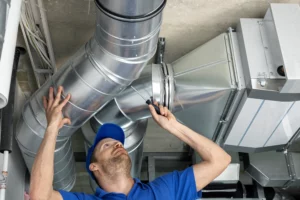
Ductwork
We can inspect your ducts, repair leaky ductwork, and ensure everything is properly sealed.
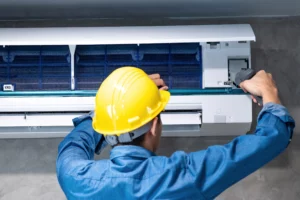
HVAC Installations
When you hire us, you'll work with a team that will install your HVAC unit or system flawlessly.
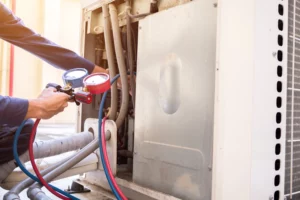
HVAC Maintenance
We offer HVAC repair, installation, and maintenance services for your cooling and heating units.
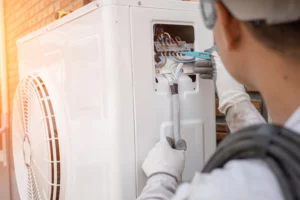
HVAC Repair
We can fix your broken AC or heater and clear away the debris around the external face of your AC unit.

Thermostat
We offer top-notch smart thermostat installation and repair services and expert recommendations.